With the federal government shutdown now ended, the Great Plains Food Bank has reflected on the wide-reaching impacts felt across North Dakota and Clay County, MN. As well as the extraordinary community response that helped thousands of families access food during a period of deep uncertainty.
In November, the Supplemental Nutrition Assistance Program (SNAP), the nation’s largest and most effective anti-hunger program, experienced significant delays. Although full benefits were eventually issued towards the end of the month, more than 57,000 North Dakotans and more than 440,000 Minnesotans endured weeks of uncertainty about how they would afford groceries.
For many households, the disruption created immediate strain. Federal workers and contractors went nearly a month without paychecks. Seniors living on fixed incomes had little room to absorb unexpected costs. And families already stretching tight budgets felt the effects within days
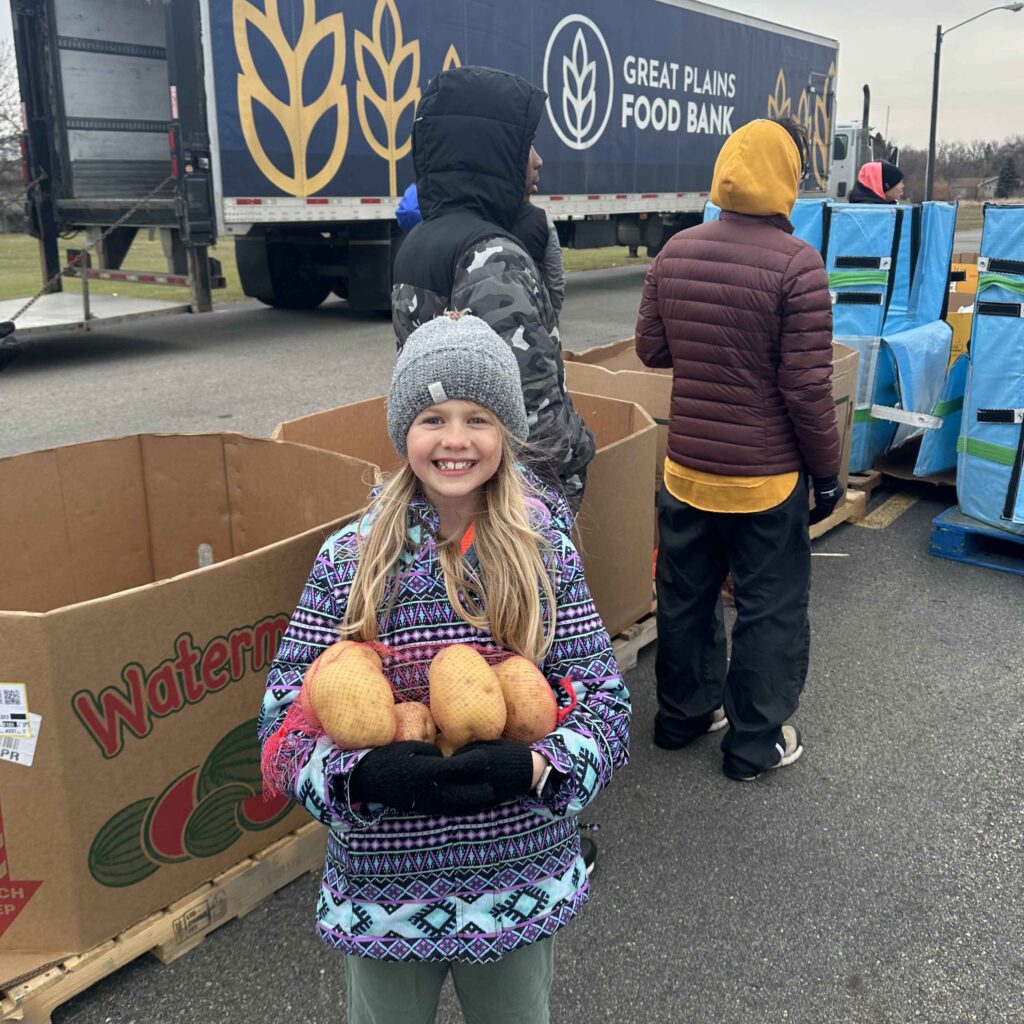
Rising Need Becomes Impossible to Ignore
Even before the shutdown began, the Great Plains Food Bank and its partner network were serving record-high numbers. As reductions took effect, the need grew rapidly — and by November, the escalation was clear across the region:
Williston Mobile Pantry served 279 households — a 60% increase from its previous 185-household distribution.
Country Community Cupboard (Elgin) saw a 37% rise in pantry visits over the prior month.
Jamestown Mobile Pantry typically serves 175–225 households per visit, but in November saw more than 400 households, exhausting food supplies before needs were fully met.
West Fargo Sheyenne High School Pantry placed an unprecedented order of more than 11,000 pounds of food — far exceeding its usual 1,300-pound monthly order.
Moorhead Salem Pop-Up served 155 households — a 127% increase from October’s 68 households.
These stories were echoed across rural, tribal, and urban communities as more neighbors than usual sought support.
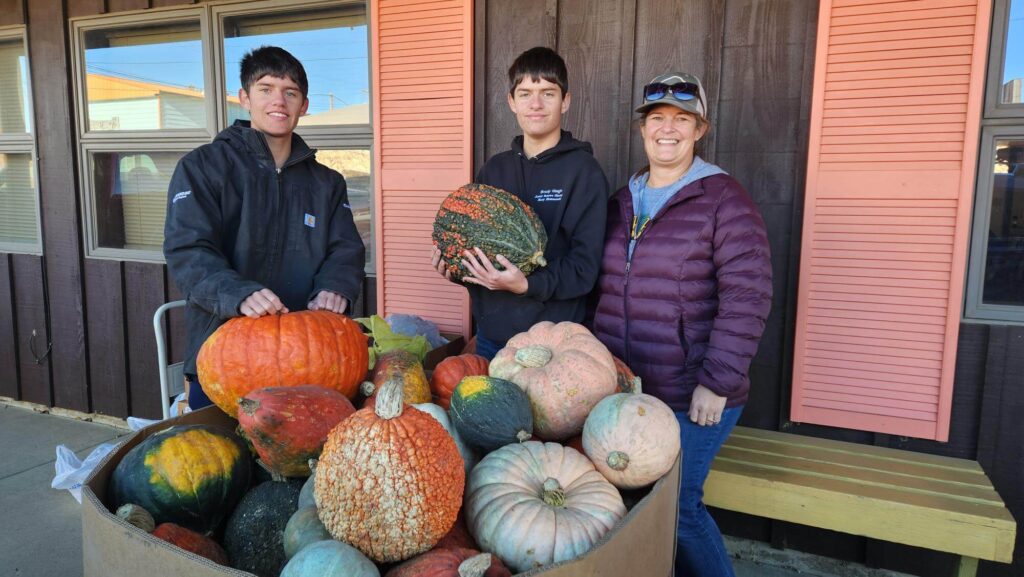
Emergency Operations Activated to Meet Demand
To stabilize food access during the shutdown, the Great Plains Food Bank activated an emergency response plan to bring in and distribute an additional 1 million pounds of food across North Dakota and Clay County, Minnesota.
This would equate distributing nearly 3.5 million pounds of food across November and December — far above our typical 1 million pounds per month.
With support from community members, state partners, and our rapid-response team, we were able to:
Expand to 25 mobile pantry routes in November
Launch pop-up distributions, including cultural food pop-ups
Deliver more than 4,300 pre-packed food boxes statewide
Send semi loads of food directly to tribal nations — Standing Rock, Spirit Lake, Turtle Mountain, and MHA Nation
Provide additional products and waive handling fees for 196 partner agencies
The Great Plains Food Bank is deeply grateful to Governor Armstrong and the North Dakota Department of Health and Human Services for providing $915,000 in state contingency funds to support emergency operations.
This funding enabled the purchase and distribution of 450,000 pounds of food, covering nearly half of the organization’s 1 million-pound emergency goal and supporting an estimated 24,000 additional households during the shutdown.
These efforts ensured thousands of families had access to nutritious food during a time of urgent need.
Community Generosity at Work
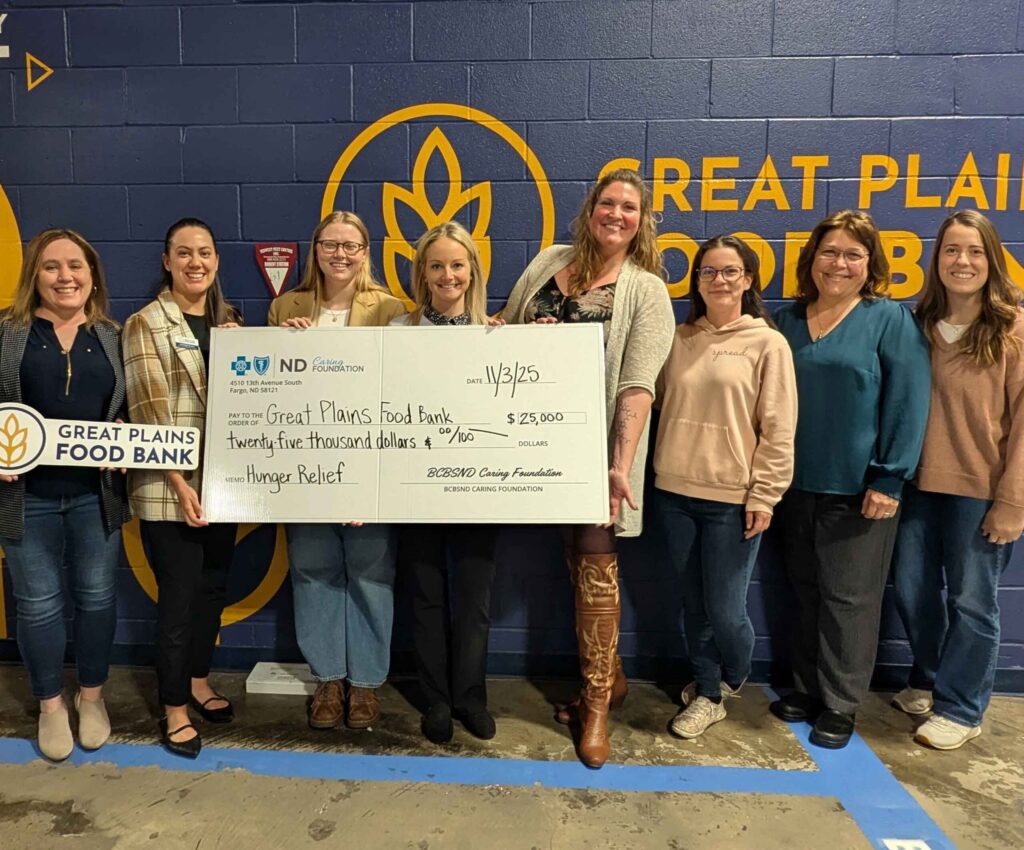
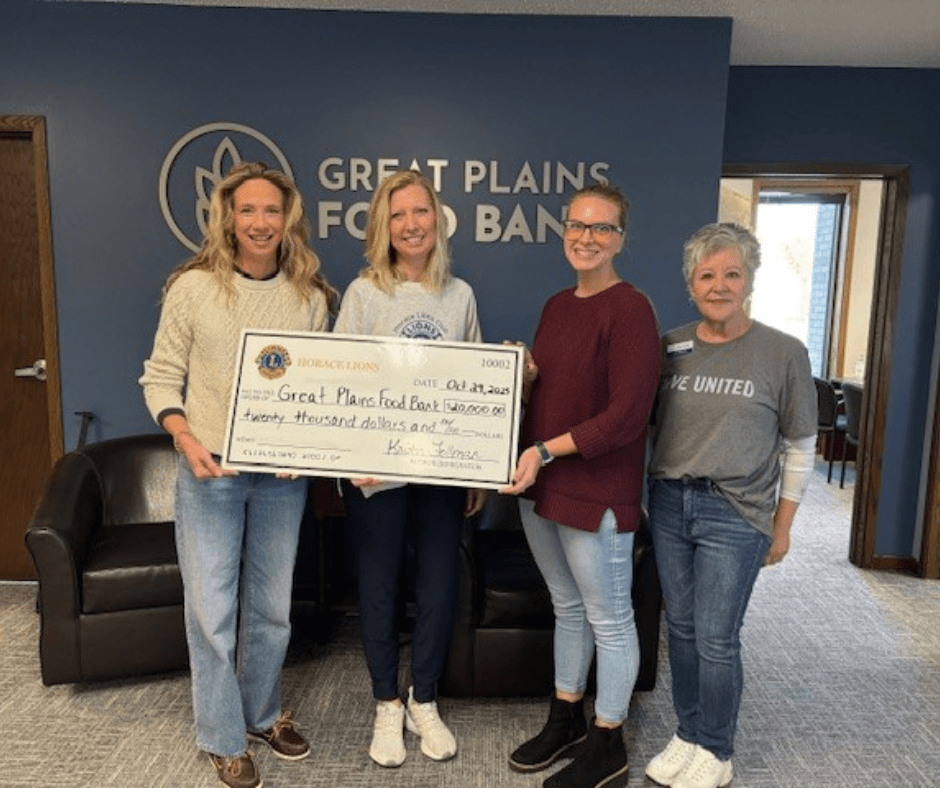
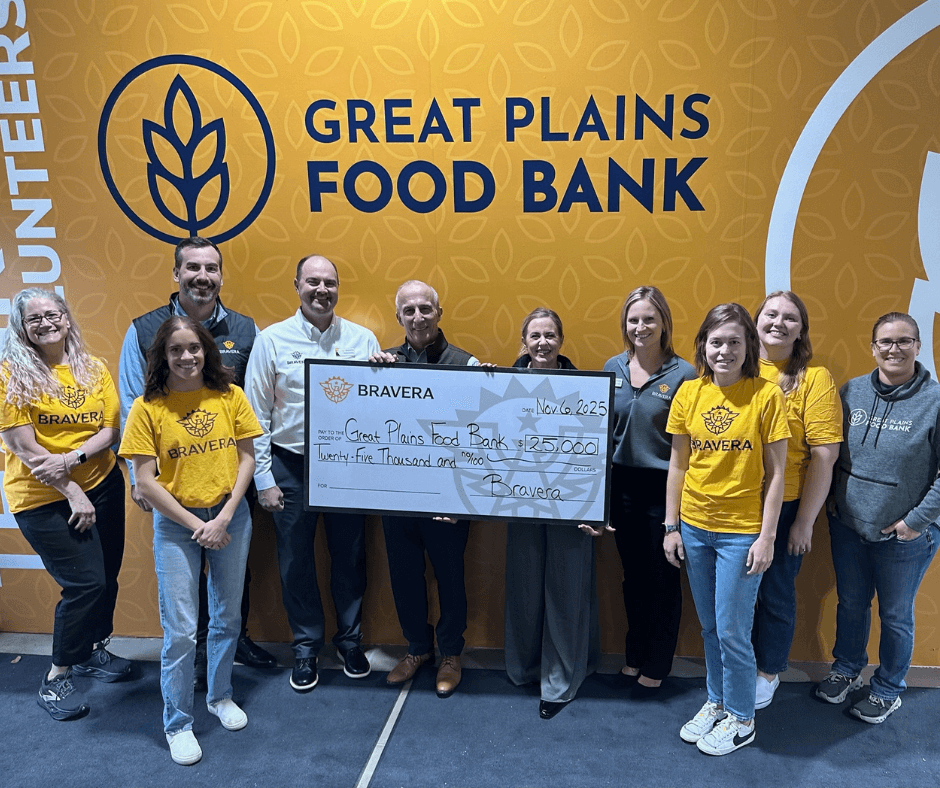
The rapid response was made possible by donors whose support helped move food quickly to where it was needed most. We extend our sincere gratitude to the many individuals and organizations who stepped forward, including:
- Baker Boy
- BCBS ND Caring Foundation
- BNC National Bank
- Bravera Bank
- Broadway Cares/Equity Fights AIDS, Inc.
- Cargill, Inc.
- First Presbyterian
- Church Fargo
- Horace Lions Club
- Second Step Foundation
Throughout the shutdown, one thing remained clear: our community showed up. Individuals, businesses, volunteers, and local partners helped extend our reach, replenish shelves, and open additional distribution sites. Because of this collective generosity, thousands of families did not have to face hunger alone — and for that, we are deeply grateful.