
Donate Funds

Strategic Giving

Ways to Give to Fulfill your Philantrhopic Goals

The Great Plains Food Bank offers a variety of ways to give, including legacy contributions. Whether you give now or planning your legacy, your generosity helps ensure neighbors across North Dakota and Clay County have access to the food they need today, tomorrow, and for generations to come. Explore the giving option that’s right for you and help make a difference.

Legacy Gifts

There are many meaningful ways to support hunger relief—today, tomorrow, and for years to come. By learning about the different legacy gift options, you can choose the approach that best reflects your values, your family’s needs, and the impact you want to make in your community. The Great Plains Food Bank is here to help you explore the options and find what works best for you and support the community you care about.

If you have made, or intend to make, a planned gift to support the Great Plains Food Bank, we invite you to complete our Online Reply Form. Your generosity helps nourish families now, strengthens long-term solutions for good, and may also offer personal financial benefits such as tax savings or support for loved ones, depending on your individual circumstances.

Legal Name: Great Plains Food Bank   |  Address: 1720 3rd Avenue N, Fargo, ND 58102  |  TAX-ID: 47-2229589

Endowment Fund

A gift to the Great Plains Food Bank Endowment Fund creates a lasting partnership between you and the hundreds of thousands of neighbors we serve each year. As a professionally managed, permanent fund, the principal is never spent, only the investment earnings support our work, providing long-term stability for hunger relief programs, regardless of year-to-year fluctuations in donations.

Endowment gifts can be made at any level today or included as part of your final wishes, ensuring your legacy continues to nourish vulnerable seniors, children, and working families for generations to come. If you’re ready to help end hunger for good, we invite you to explore the impact an Endowment Fund gift can make.

North Dakota State Tax Credit for Charitable Giving

One of the most unique opportunities to make an endowment fund gift in North Dakota is the North Dakota State Tax Credit for Charitable Giving program. This program is unique to North Dakota and requires a minimum gift of $5,000 to be given to North Dakota qualified charities like the Great Plains Food Bank. Gifts to this program are eligible for a 40% tax credit on YOUR state tax return, which can be spread over two or three years, depending on your tax filing status and other eligible deductions, up to the maximum allowed.

To be eligible for the tax credit, contribution(s) to the Great Plains Food Bank’s qualified endowment fund must total a minimum of $5,000 for the calendar tax year. The state tax credit you receive is 40% of the charitable gift allowed by the IRS up to a maximum of $10,000 per year, per taxpayer, or $20,000 per year, per couple filing jointly. Qualifying businesses can also receive a state tax credit of 40% up to a total of $10,000.

Gift Amount
$5,000
$10,000
$25,000
$50,000
Estimated Federal Tax Savings
($960)
($1,920)
($4,800)
($9,600)
ND State Income Tax Credit
($2,000)
($4,000)
($10,000)
($20,000)
Net Value of Gift
$2,040
$4,080
$10,200
$20,400

The table is for illustrative purposes and assumes a 32% tax bracket. Please consider this information as a resource to help with planning your philanthropic goals, but should not be considered as legal advice on investment, accounting, or tax obligations. Please consult your wealth advisor or an attorney before making any final decisions.

Charitable Gift Annuities & Trusts

Strategic giving tools like charitable gift annuities and trusts allow you to support the Great Plains Food Bank while also meeting personal financial goals—such as lifetime income, tax savings, or providing for loved ones. These giving tools can be wonderful ways to create long-term impact while supporting personal or family financial goals. Because every situation is unique, we encourage donors to consult a financial or legal advisor to explore which option aligns best with their plans.

Trust (Testamentary Trust / Will Trust)

A testamentary trust is created through your will and goes into effect after your lifetime. It allows you to decide how certain assets are managed and distributed to loved ones and can also include a gift to the Great Plains Food Bank. This type of trust offers added control, helping you protect family members, manage complex assets, and ensure your charitable wishes are carried out exactly as intended.

Charitable Gift Annuity (CGA)

A charitable gift annuity is a simple agreement between you and the Great Plains Food Bank. You make an irrevocable gift—usually cash or publicly traded securities—and in return, you receive fixed monthly income for life. You can also choose to provide income for a second beneficiary. After the final income beneficiary passes away, the remaining funds support our mission to nourish neighbors in need.

Charitable Remainder Trust (CRT)

A charitable remainder trust allows you to donate cash, stocks, real estate, or other appreciated assets while continuing to receive annual income from the trust—either for life or for a set number of years (up to 20). When the trust ends, the remaining assets go to the Great Plains Food Bank.

Charitable Gift Annuity (CGA)

A charitable lead trust works in the opposite order of a CRT. For a set period of time, the Great Plains Food Bank receives annual income from the trust. When the trust term ends, the remaining assets transfer back to you or to other beneficiaries, such as children or grandchildren.

Other Ways To Give

Appreciated Securities

A gift of appreciated stock or mutual funds, held for more than one year, makes an excellent contribution. Making this gift is simple and offers you valuable financial benefits where the total value of the stock upon transfer is tax-deductible and there is no obligation to pay any capital gains taxes on the appreciation.

Retirement Assets

Retirement assets are often one of the most effective tools for charitable giving because of their unique tax characteristics. These assets can be among the highest taxed in an estate, and beneficiaries may owe income tax on the distributions. A gift through your retirement plan (401k, Roth IRA, 403b) may help you avoid these income taxes, and the Great Plains Food Bank can be named as the primary beneficiary. Using your IRS Required Minimum Distribution is one meaningful way to support our mission to end hunger.

Donor Advised Funds (DAFs)

Donor Advised Funds (DAFs) allow you to make a meaningful gift with maximum tax efficiency and simplicity. Your DAF grant turns into immediate support for neighbors facing hunger. By recommending a gift from your DAF, you can amplify your impact today while sustaining hope for families all year long

Non-Cash Assets

Donating non-cash assets is an easy way to transform an appreciated asset like real estate, business interests, or personal property, into immediate hunger-relief for families in your community. Including Non-cash gifts as part of your financial and estate planning strategy can provide tax benefits without affecting cash flow while building your legacy.

Bequests

A bequest is a gift you make to a charity through your will or living trust. It allows you to support the causes you care about, like the Great Plains Food Bank, after your lifetime, without affecting your financial security today. Bequests can be a specific dollar amount, a percentage of your estate, or the remainder left after providing for loved ones. It’s one of the most flexible and accessible ways to create a meaningful legacy.

Insurance Policies

Another way to make a substantial future gift is naming the Great Plains Food Bank as the beneficiary to receive all or part of the proceedings of an existing or new insurance policy. This entitles the organization as the beneficiary to a charitable deduction from estate taxes when the policy is distributed.

Mineral Rights

If you own real estate, another giving option is to donate all or a portion of your land or minerals. Depending on your property rights (surface rights and/or mineral rights), you can transfer your rights through a deed or another appropriate conveyance to the Great Plains Food Bank.

Please consider this information as a resource to help with planning your philanthropic goals, but should not be considered as legal advice on investment, accounting, or tax obligations. Please consult your wealth advisor or an attorney before making any final decisions.

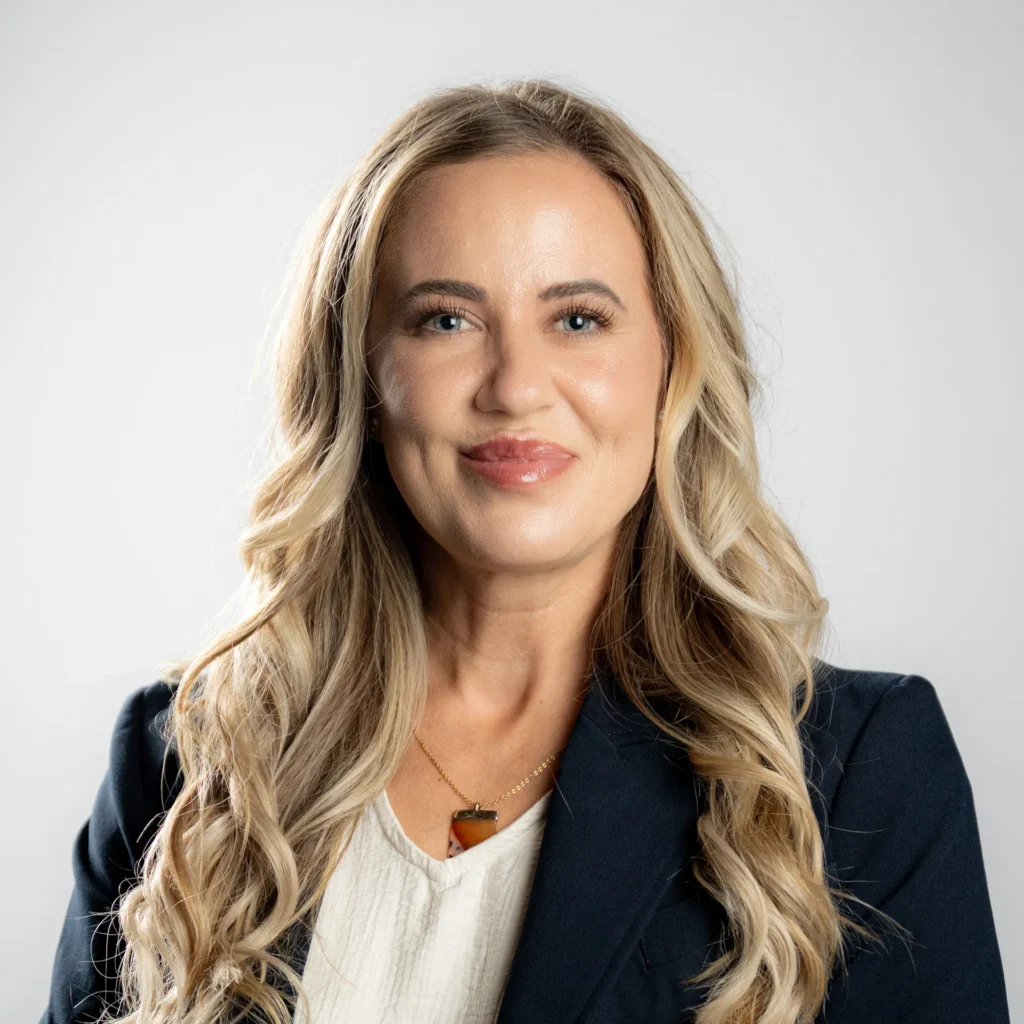
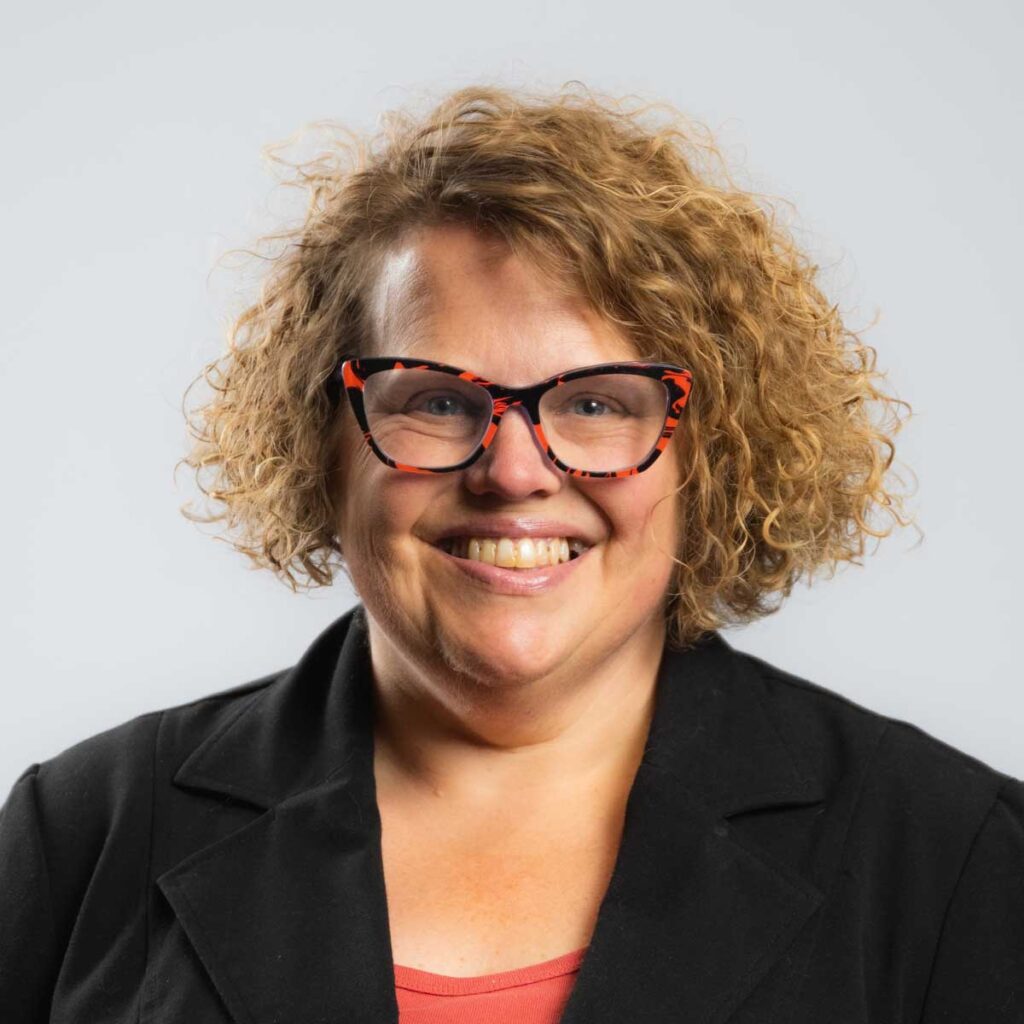
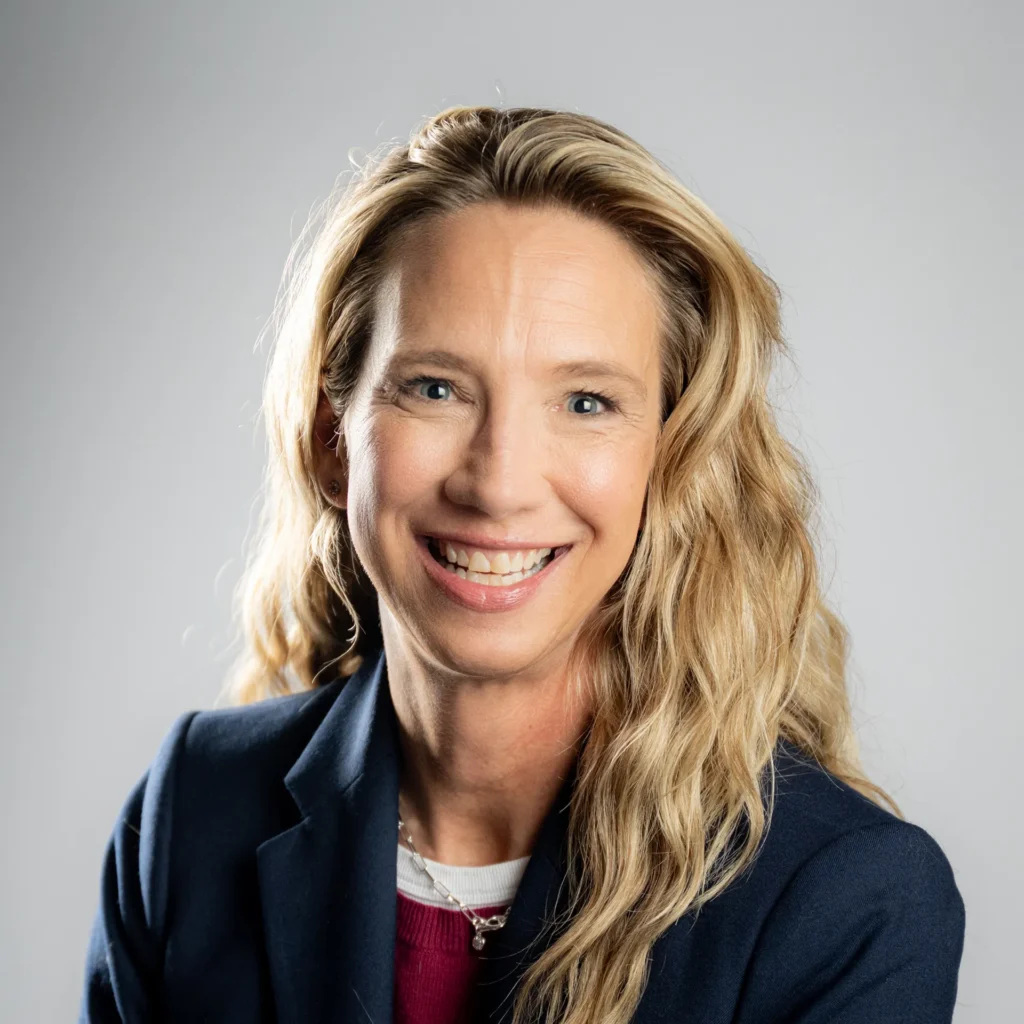
Thank you for considering making the Great Plains Food Bank a part of your lasting legacy. No matter how you choose to give, our dedicated team is here to answer any questions along the way. You can connect with us by reaching out by phone or email. Together, we can create lasting solutions to hunger.

Marcia Paulson
Chief Philanthropy Officer

Phone: 701.476.9101
Email: mpaulson@greatplainsfoodbank.org

Abby Tow
Donor Relations Officer

Phone: 701.997.7182
Email: atow@greatplainsfoodbank.org

Grace Renner
Donor Relations Officer

Phone: 701.476.9118
Email: grenner@greatplainsfoodbank.org

Heather Schmidt
Donor Relations Officer

Phone: 701.476.9117
Email: hschmidt@greatplainsfoodbank.org

Great Plains Food Bank logo

PRIVACY POLICY

This privacy notice discloses the privacy practices for Great Plains Food Bank regarding websites located at www.greatplainsfoodbank.org and give.greatplainsfoodbank.org. Great Plains Food Bank reserves the right, at any time and without notice, to change this Privacy Policy simply by posting such changes on our site. Any such change will be effective immediately upon posting. Great Plains Food Bank (“us”, “we”, “our”). Website visitor, guest, and/or donor (“you”, “user”).

Information Collection

  • Personal Information You Choose to Provide In the process of general correspondence, making a gift, or participating in online surveys you may be asked to supply us with personal information, including your email address, postal address, home or work telephone number and other information. If you correspond with us through email, we may retain the content of your email messages, your email address, and our responses. 
  • Website Use Information Similar to most websites, our site may utilize “cookies” and web server logs to collect information about how our website is used. Information gathered may include the date and time of visits, pages viewed, time spent on our website, and the sites visited just before and just after ours. This information is collected on an aggregate basis; none of this information is associated with you as an individual.

How Do We Use Information 

  • That You Provide to Us? We use personal information for purposes of administering our not-for-profit business activities, providing service and support, and making available other information and services to our website visitors, guests, agency partners, advocates, contracted consultants, and approved vendors. We may use the information provided to notify you about important changes to our website, new services, or new information that supports your interest in hunger-relief. 
  • Collected From Cookies? We use cookies and web server logs to gather information about our website users’ browsing activities. This information assists us in designing and continually improving our web pages in the most user-friendly manner. We do not use these technologies to capture any personally identifying information.

Security

  • How Do We Protect Your Information?
    • We utilize encryption/security software to safeguard the confidentiality of personal information we collect from unauthorized access or disclosure and accidental loss, alteration or destruction. 
    • Our operations and business practices are periodically reviewed for compliance with organization policies and procedures governing the security, confidentiality and quality of our information. 
    • Our organization values ethical standards, policies and practices and is committed to the protection of user information. Our not-for-profit business practices limit employee access to confidential information, and limits the use and disclosure of such information to authorized persons, processes and transactions.
  • How Do We Secure Information Transmissions? All information transmitted through our website, giving pages, and forms are sent via secure, encrypted server. Other emails you send to us may not be secure; for that reason, we ask that you do not send confidential information such as Social Security, credit card, or account numbers to us through an unsecured email.
  • Do We Disclose Information to Outside Parties? We do not sell, trade, or rent your personal information. We may provide aggregate information about our website visitors or website traffic patterns to our contracted affiliates or third parties; this information will not include personally identifying data, except as otherwise provided in this privacy policy. Personal information such as email and address may be shared with a contracted third party for the use of email dissemination and direct mail marketing; all third party vendors are required to sign a non-disclosure agreement.
  • Legally Compelled Disclosure of Information? We may disclose information when legally compelled to do so, in other words, when we, in good faith, believe that the law requires it or for the protection of our legal rights.

Permission to Use of Materials 

  • The right to download and store or output the materials on our website is granted for personal use only, and materials may not be reproduced in any edited form. Any other reproduction, transmission, performance, display or editing of these materials by any means mechanical or electronic without our express written permission is strictly prohibited. Users wishing to obtain permission to reprint or reproduce any materials appearing on this site may contact us directly.

Your Access to and Control of Information 

  • You may request access to all of your personally identifiable information that we collect online and maintain in our donor constituent database, DonorPerfect. 
  • You may request removal from any communication including but not limited to emails, direct mail pieces, text and phone calls.
  • Because we do not sell, trade, or rent your personal information; opting out of such practices is optional and not required.

Contact Great Plains Food Bank/Opt-out

If you have any questions about this Privacy Policy, need to opt-out of future communications, or wish to exercise any other privacy right you may have by law, please contact us in any of the ways shown below.

Great Plains Food Bank
attn. Development Associate
1720 3rd Ave N
Fargo, ND 58102

Phone: 701-476-9120

Email: info@greatplainsfoodbank.org

All opt-out requests will be honored, but please be patient with us as it may take up to twelve (12) weeks for opt-out changes to be fully implemented. We may also occasionally initiate contact with opt-out supporters in order to update their contact preferences, and we will promptly accommodate their updated preferences, if any.

Great Plains Food Bank logo

TERMS & CONDITIONS

DONATION REFUND POLICY

We are grateful for your donation and support of our organization. If you have made an error in making your donation or change your mind about contributing to our organization please contact us. Refunds are returned using the original method of payment. If you made your donation by credit card, your refund will be credited to that same credit card.

AUTOMATED RECURRING DONATION CANCELLATION

Ongoing support is important to enabling projects to continue their work, so we encourage donors to continue to contribute to projects over time. But if you must cancel your recurring donation, please notify us.