At the Great Plains Food Bank, we believe hunger is solvable and we know that lasting change takes all of us. During Hunger Action Month, we’re inviting you to take part in building a future where everyone has access to the food they need to thrive. Whether it’s donating groceries, raising your voice for policy change, or reimagining the systems that fuel hunger in the first place, there’s a role for everyone in this movement. And the truth is: when we work together, real change is possible.
Small Actions, Big Impact
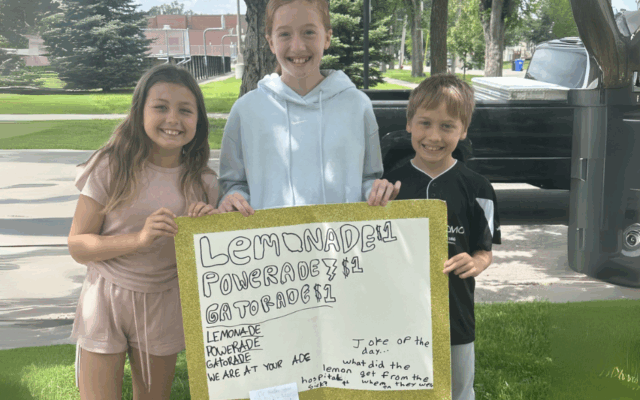
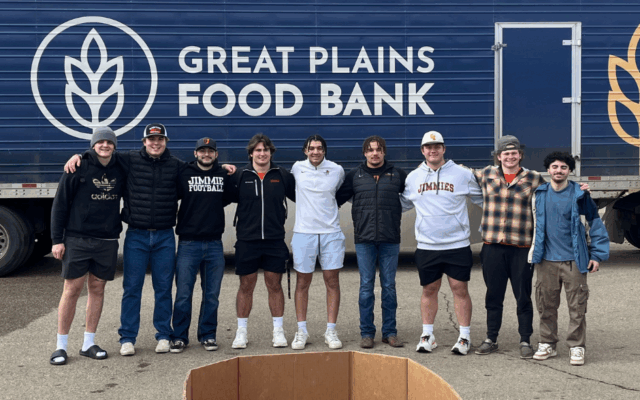
You don’t need to do something huge to make a difference. Small, consistent actions—like volunteering at your local food pantry, making an individual monetary donation, or donating shelf-stable food—can create meaningful change.
It’s also valuable to learn and share accurate information about hunger. By understanding who is most affected, how food banks and food pantries work together to provide support can help build a stronger awareness. This allows communities to focus on effective solutions.
Bigger Commitments That Drive Change
If you’re ready to take your support further, there are ways to deepen your impact. Hosting a food or fund drive, setting up a recurring monthly donation, or becoming a regular volunteer at a food pantry or distribution site helps us stretch resources further and serve more neighbors with dignity. Fundraising with your workplace, congregation, or school can also create collective action. Just $1 can help provide two meals, so even modest financial contributions go a long way.
Changing the Systems Behind Hunger
Ending hunger requires more than meals. It means changing the systems that cause people to face hunger in the first place. We need policy solutions that address poverty, affordable housing, healthcare access, childcare, and wage equity. Advocacy is key and it’s something everyone can do. Call or email your state and federal lawmakers, attend town hall meetings, and ask where they stand on food-related issues. Encourage them to invest in anti-hunger programs and equitable community development. Tools like Feeding America’s Hunger Action Center or your state legislature’s website make it easy to find contact information and send messages. You can also talk with local leaders (school boards, city councils, or county commissions) about policies that support food access at the local level.
We all have a role in ending hunger. Whether you’re taking your first small step or committing to long-term advocacy, your involvement matters. This Hunger Action Month, we invite you to be part of the solution. Because when we raise awareness, take action, and challenge the systems that hold people back, we move closer to a world where we end hunger for good.